The discovery of a giant ancient scorpion reshapes how we see early arachnid evolution, useful context for a colleague or fan of prehistoric life.

This scorpion was the size of a child Story flow and key facts
A newly identified prehistoric scorpion species, Praearcturus, has been confirmed as the largest ever discovered. Living around 415 million years ago during the Devonian period, this colossal arthropod measured over three feet in length and had six-inch pincers — comparable in size to the entire bodies of today’s largest scorpions. Fossils were first unearthed in Herefordshire, UK, in the 1870s but were misclassified due to the absence of a tail or other definitive features. It wasn't until modern imaging techniques like CT scans and 3D modeling were applied that researchers could correctly identify the creature as a scorpion.
The study, led by Dr. Richard Howard of the Natural History Museum in London, reveals that Praearcturus lived about 50 million years before other known giant invertebrates from the Carboniferous period. This early appearance challenges previous assumptions about when and how arthropods evolved to such massive sizes. The fossils also show flap-like structures called epimera, suggesting Praearcturus was semiaquatic — possibly spending time in water, which could have supported its large body.
The discovery provides new insight into a transitional phase in evolutionary history, when animals were adapting from aquatic to terrestrial life. Dr. Greg Edgecombe, co-author of the study, notes that Praearcturus may represent a lineage that returned to water after earlier ancestors had begun living on land. This finding reshapes scientific understanding of early arachnid development and ecosystem dynamics in ancient Earth environments.
Facts
- Praearcturus, a prehistoric scorpion, measured over three feet long with six-inch pincers.
- It lived around 415 million years ago during the Devonian period in what is now England and Wales.
- Fossils were first found in the 1870s but were only correctly identified as a scorpion in 2026 using CT scans and 3D modeling.
- The species had flap-like epimera, suggesting it was semiaquatic, similar to lobsters and crabs.
- This discovery changes understanding of when arachnids evolved to large sizes, predating other giant invertebrates by 50 million years.
Canto visual news explainer. AI tools may assist production. Editorial policy
Related news
More stories from Canto
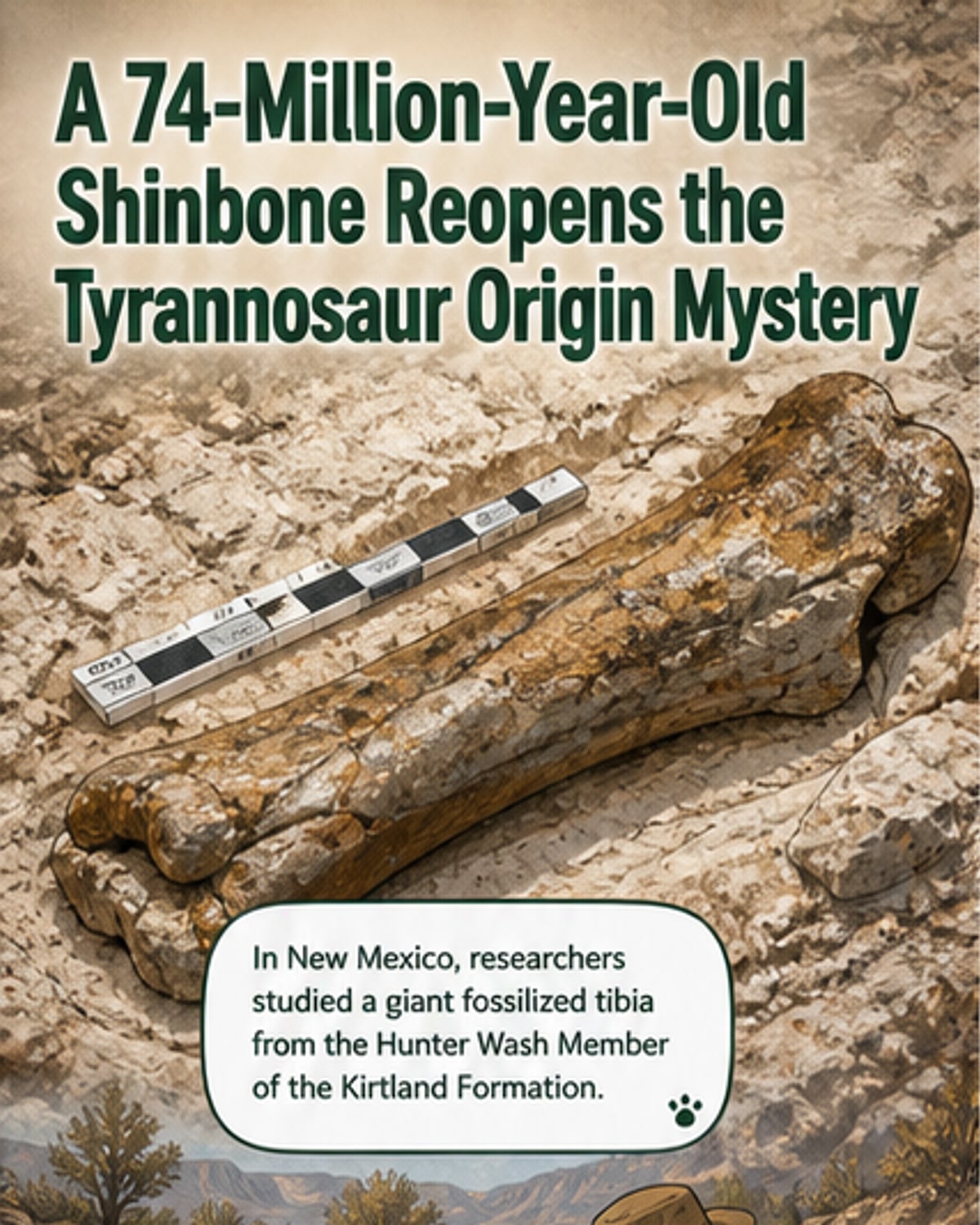
Oldest Giant Tyrannosaur in North America Found
5/18/2026
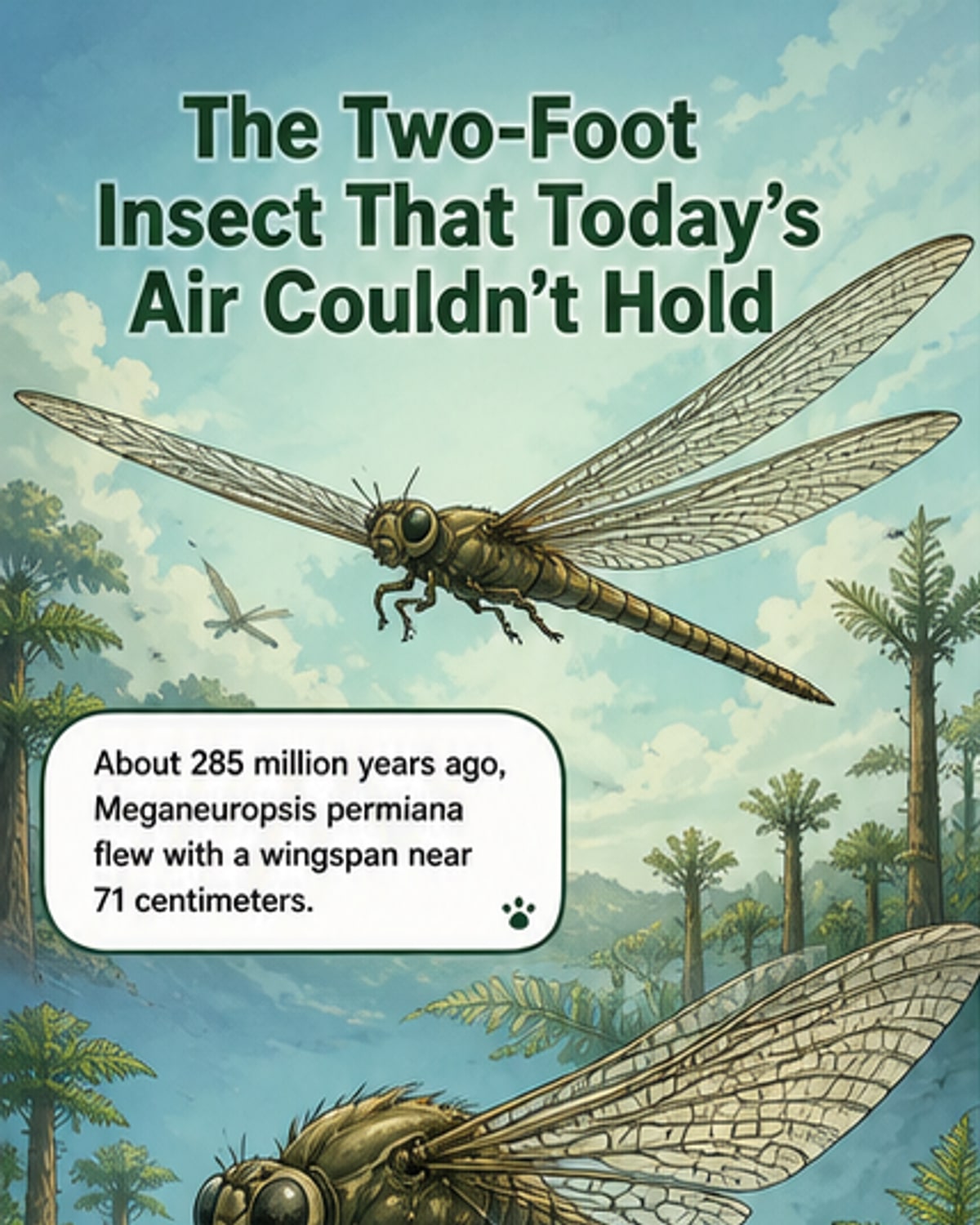
Giant dragonflies once ruled prehistoric skies
6/7/2026
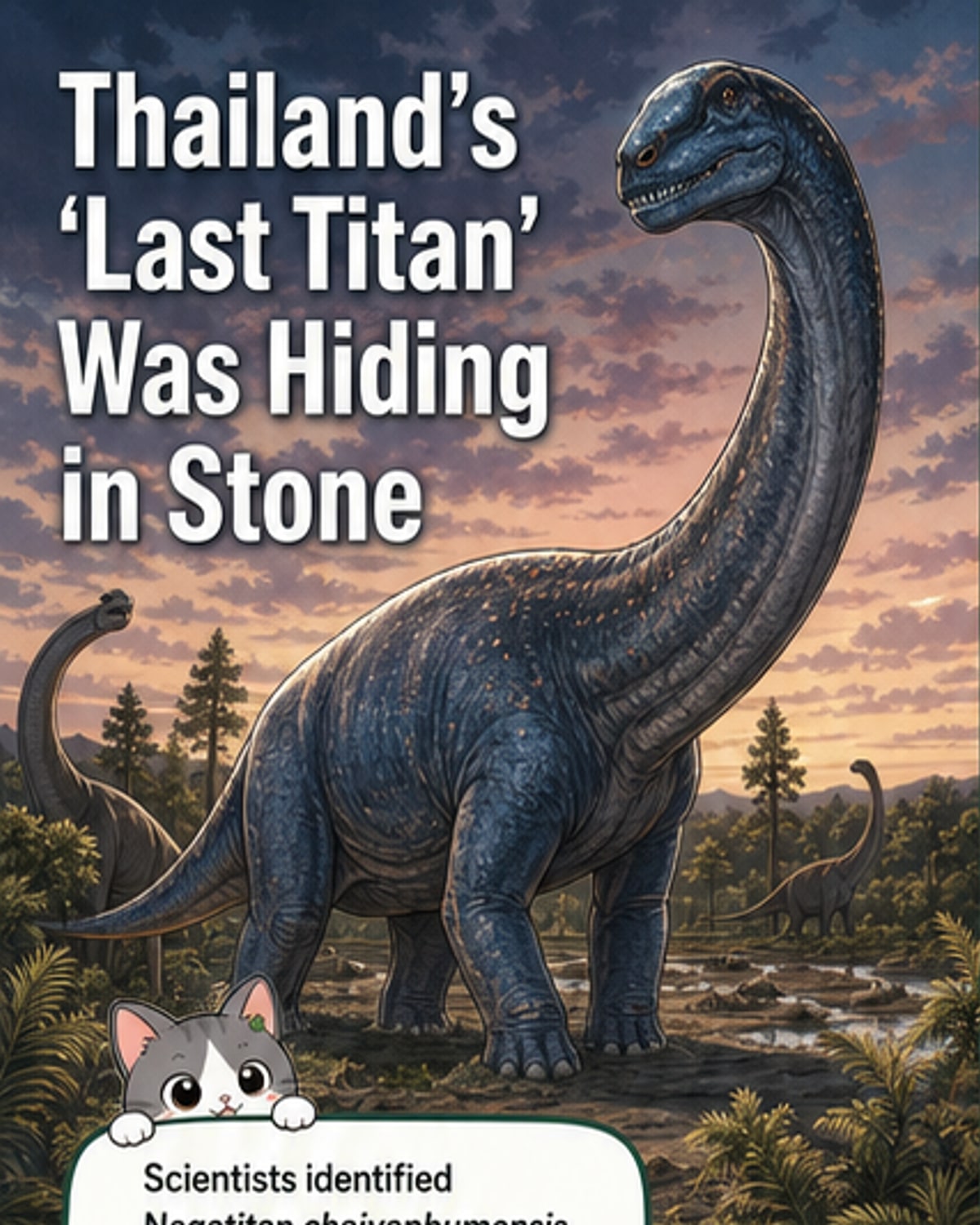
Meet Nagatitan: Southeast Asia’s largest dinosaur
5/15/2026
A crocodile cousin looked like a dinosaur 100M years before dinosaurs did
5/28/2026
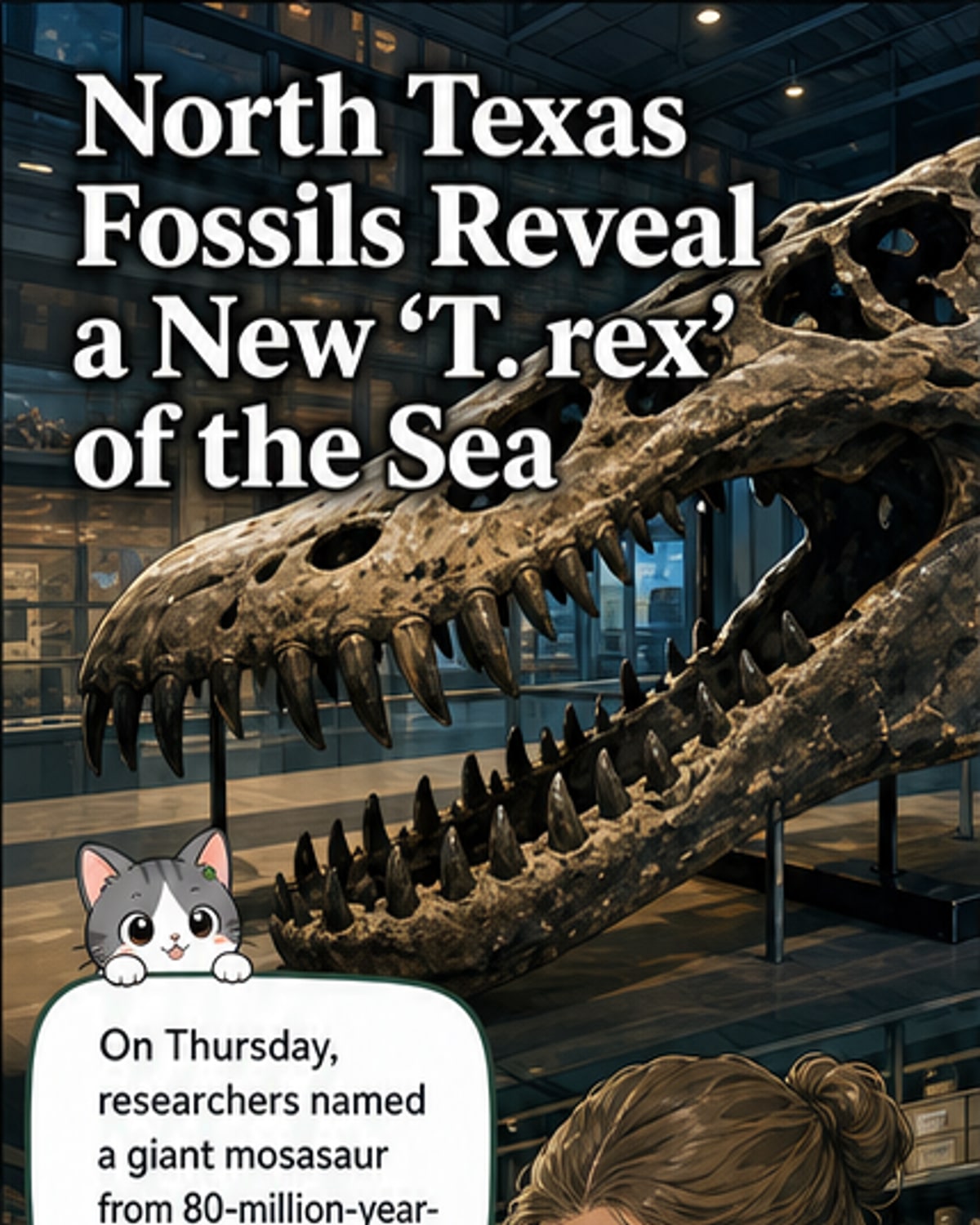
T. rex of the sea discovered in Texas
5/22/2026